
►►A joint military strike by the United States and Israel on Iran, which started on Saturday morning, triggered a sharp escalation across the Middle East, setting off waves of missile exchanges, mounting casualties, and far-reaching political and security repercussions.
DUBAI– Below is a timeline of how events unfolded:
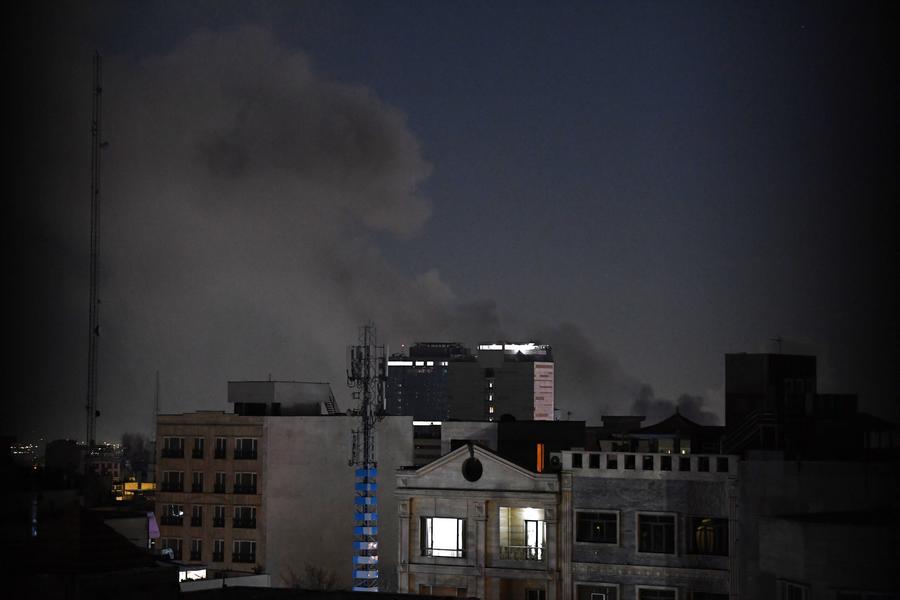
— Feb. 28,around 0620 GMT: Xinhua reporters in Tehran reported hearing explosions in the Iranian capital.
— Feb. 28, around 0630 GMT: Israel’s Defense Minister Israel Katz confirmed a « preemptive » strike on Iran and declared a nationwide state of emergency. Air raid sirens sounded across Israel, with emergency alerts sent to civilians.
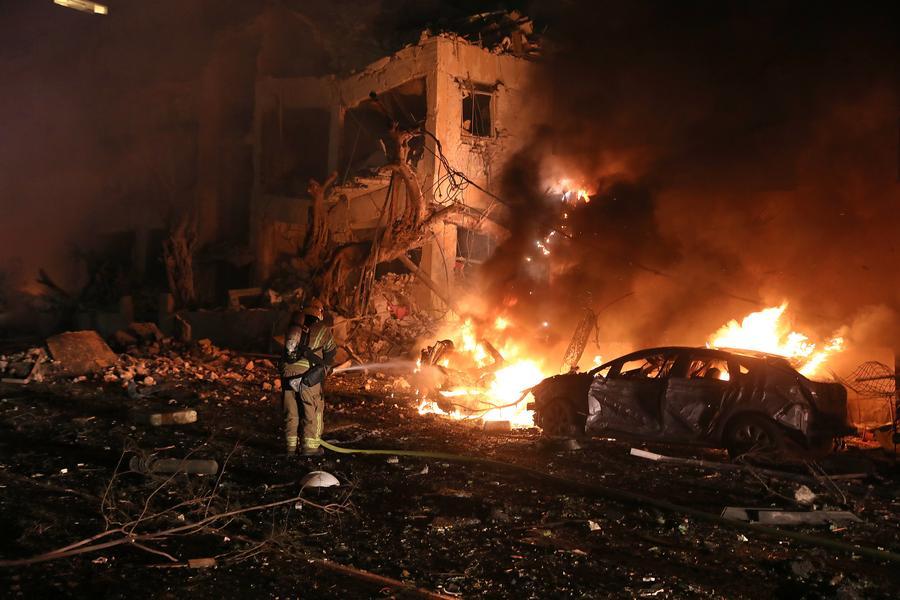
Iran’s Fars news agency reported multiple missile strikes in central Tehran, with additional explosions in Isfahan, Qom, and Kermanshah. Reports also indicated a strike near the Supreme Leader Ali Khamenei’s office.
Israeli media, citing security sources, reported the operation was a joint U.S.-Israeli strike.
— Feb. 28, around 0700 GMT: Israel and Iran both closed their airspace. Israeli and U.S. assessments concluded that negotiations with Iran were no longer viable. Washington said the strikes aimed to dismantle Iran’s security apparatus.
— Feb. 28, around 0730 GMT: U.S. President Donald Trump said Washington had launched a large-scale military campaign to destroy Iran’s missile industry, naval forces, and nuclear capabilities.
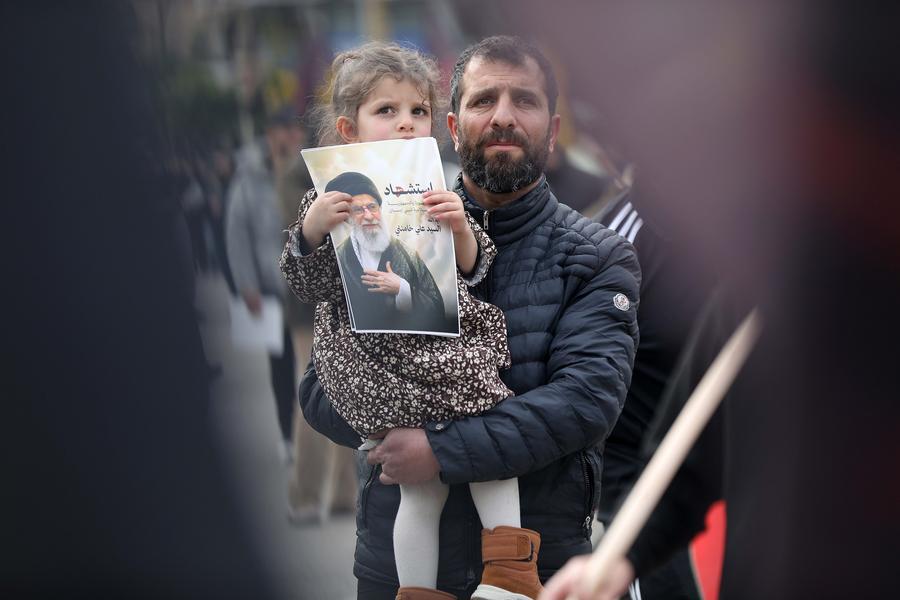
An Israeli source said the first phase would last four days and target senior leadership, including Khamenei.
— Feb. 28, around 0800 GMT: Iranian media said Tehran was preparing « crushing » retaliation. Missile launches from Iran were detected, with explosions reported in northern Israel. Civilians were ordered into shelters.
— Feb. 28, around 0830 GMT: Xinhua reporters in Tehran heard further explosions. The Islamic Revolution Guard Corps (IRGC) announced large-scale missile and drone attacks.
— Feb. 28, around 0900 GMT: A senior Iranian official said retaliation would have « no red lines. » Explosions were reported across Israel, causing damage in Haifa.
— Feb. 28, around 0930 GMT: Iranian media reported strikes on U.S. military bases across the region. Explosions were reported in Bahrain, the United Arab Emirates, Qatar, Saudi Arabia, Kuwait, and Jordan.
Iran called on the United Nations to respond to what it described as U.S.-Israeli aggression.
— Feb. 28, around 1100 GMT: Iranian media reported that a deadly strike hit a girls’ elementary school in southern Iran, and the death toll from the attack had risen to 165, according to Iran’s official IRNA news agency on Sunday. Iranian officials said most of the victims were schoolchildren.
— Feb. 28, around 1200 GMT: The IRGC claimed it destroyed a U.S. radar installation in Qatar.
— Feb. 28, around 1500 GMT: The Israeli military said it had carried out large-scale strikes on Iran’s air defense systems, significantly degrading them.
— Feb. 28, around 1600 GMT: Iranian media said missile attacks had targeted at least 14 U.S. bases in the region. The UN Security Council held an emergency session on the conflict.
— Feb. 28, around 1940 GMT: The Iranian Red Crescent said strikes across 24 provinces killed 201 people and injured 747.
— March 1, around 0030 GMT: Iranian media reported that four relatives of Khamenei had been killed.
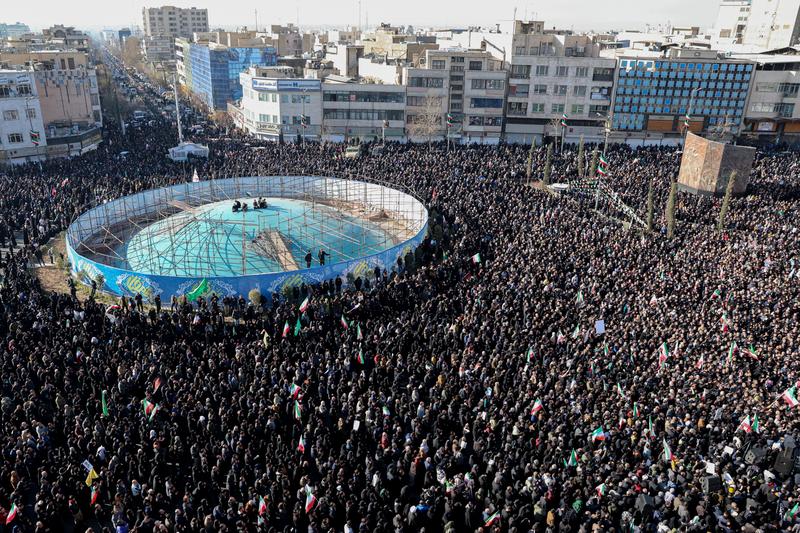
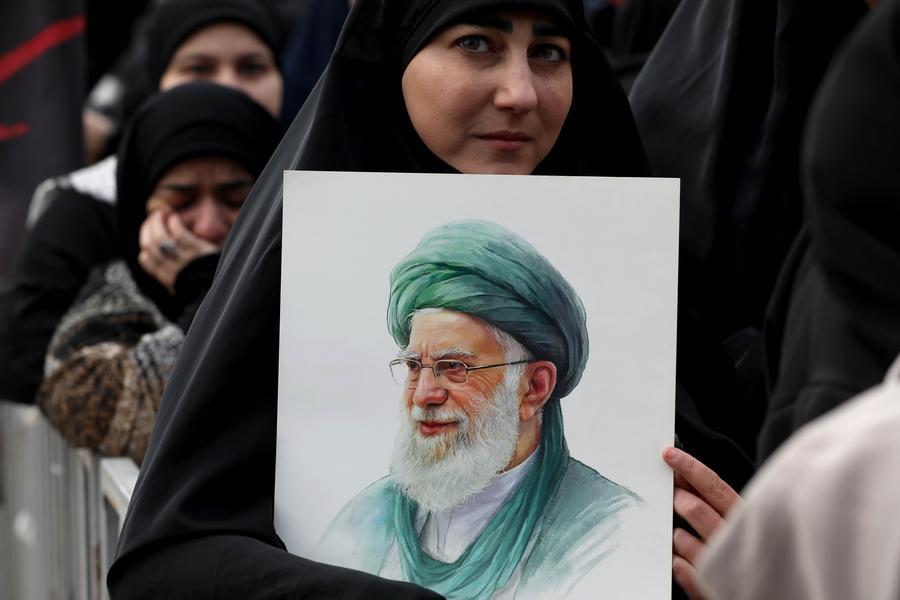
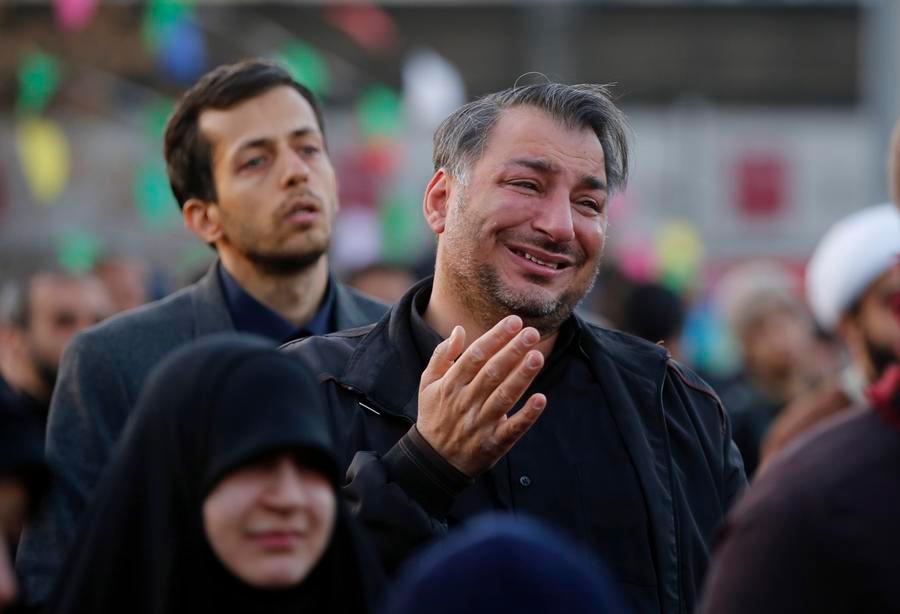
— March 1, around 0130 GMT: Iranian media confirmed that Khamenei had been killed. The government declared 40 days of national mourning.
Earlier, Donald Trump said on social media that Khamenei was « dead » and that military operations would continue.
— March 1, around 0230 GMT: CBS News, citing U.S. officials, reported that around 40 Iranian officials, including Defense Minister Aziz Nasirzadeh and IRGC commander Mohammad Pakpour, were killed.
— March 1, around 0530 GMT: Parliament Speaker Mohammad Bagher Ghalibaf said Iran had prepared contingency plans for the post-Khamenei period.
– March 1, around 0600 GMT: Ali Larijani, secretary of Iran’s Supreme National Security Council, said an interim leadership council would be formed and a new supreme leader selected.
— March 1, around 1450 GMT: The IRGC claimed it launched four ballistic missiles at the U.S. aircraft carrier USS Abraham Lincoln, saying its retaliatory strikes against the United States and Israel had entered a « new phase. »
The Pentagon confirmed that three U.S. troops were killed in the U.S.-Israeli operations against Iran, marking the first American casualties of the conflict.
— March 1, around 1700 GMT: The IRGC said it struck three oil tankers belonging to the United States and Britain in the Gulf and the Strait of Hormuz, with the vessels reported on fire, according to its official outlet Sepah News.
— March 1, around 1800 GMT: The Israeli military said it had achieved « air superiority in the skies over Tehran » following a wave of airstrikes targeting Iran’s capital.
By Xinhua