
►►Artificial intelligence (AI) is reshaping economies, industries and daily life at breakneck speed. The question that matters now is not who builds the most powerful system, but whether AI becomes a weapon in geopolitical rivalry or an engine of shared global progress.
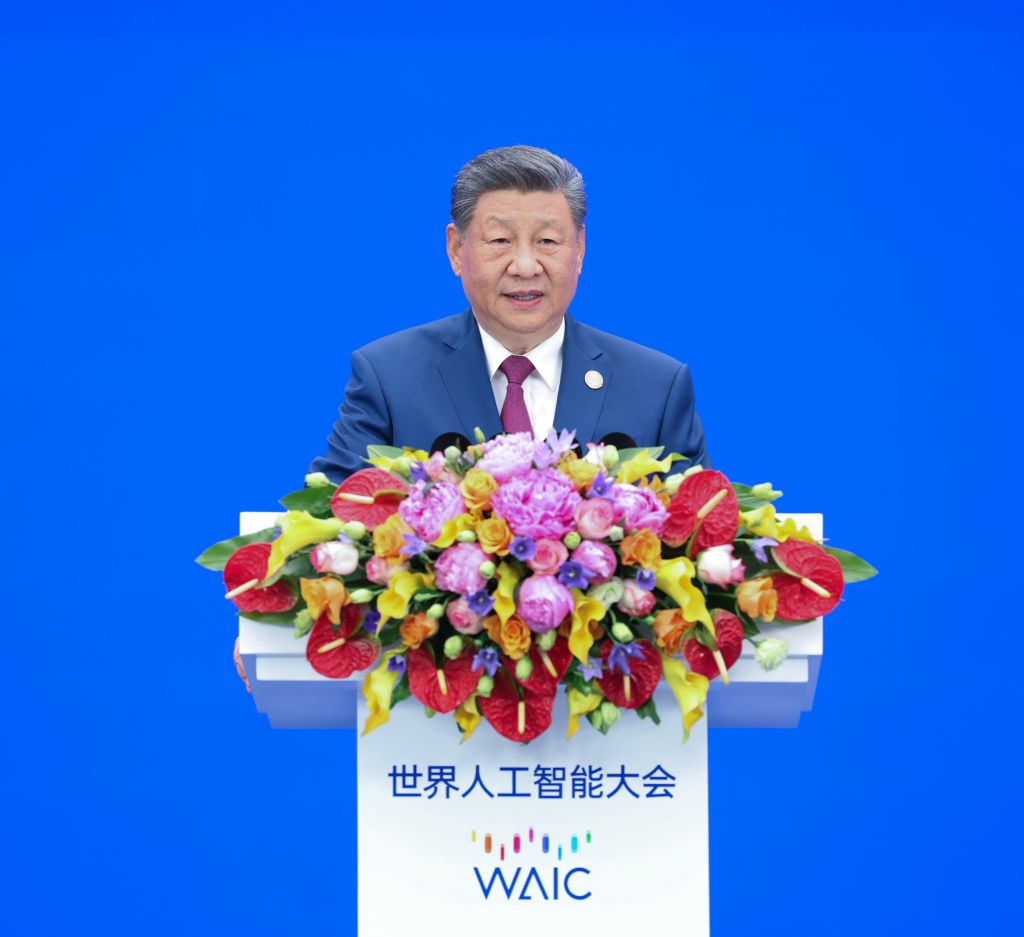
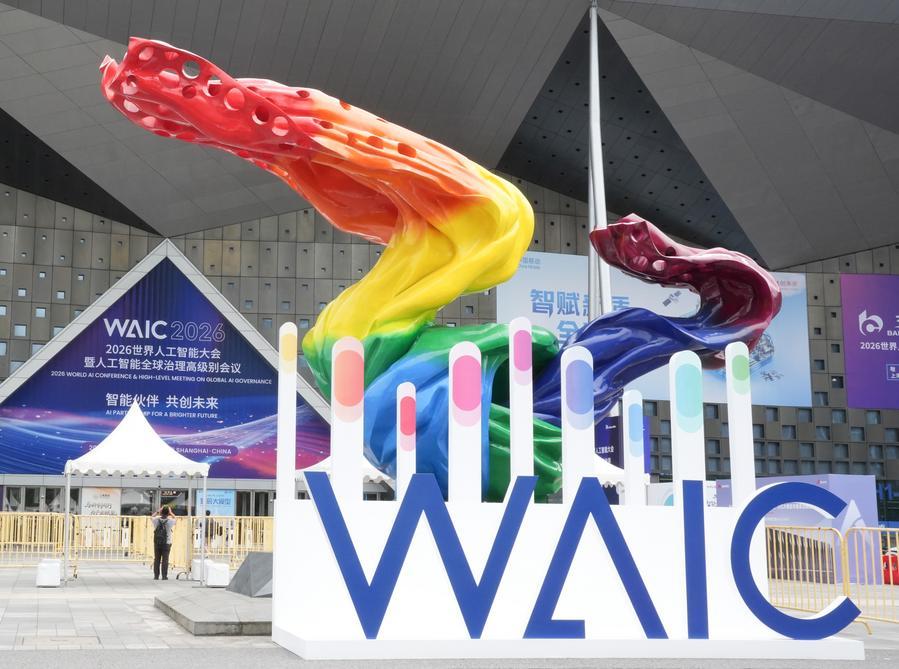
BEIJING– The 2026 World Artificial Intelligence Conference (WAIC), opening in Shanghai on Friday, arrives just as that question is becoming harder to avoid. Beyond the breakthroughs on display, the event’s real message is simpler: AI advances through openness, not isolation.
On the eve of the 2026 WAIC, Shanghai hosted the signing ceremony of the Agreement on the Establishment of the World Artificial Intelligence Cooperation Organization, a timely reminder that global AI governance is advancing through dialogue and cooperation rather than division.
Unilateral restrictions and protectionist policies are straining the global AI ecosystem, tightening restrictions on technology flows and investment. The real danger is not that innovation slows, but that a more fragmented AI landscape leaves many countries — developing economies above all — on the margins of the next technological revolution.
A widening AI divide is already one of the most pressing challenges facing global development — and if left to grow, AI risks entrenching inequality rather than narrowing it.
This is precisely why openness and cooperation matter more than ever.
China upholds a people-centered approach and the principle of AI for good and for all. Rather than treating it as a strategic asset to be hoarded, Beijing frames AI as a driver of shared development — one whose gains ought to be spread widely, not walled off.
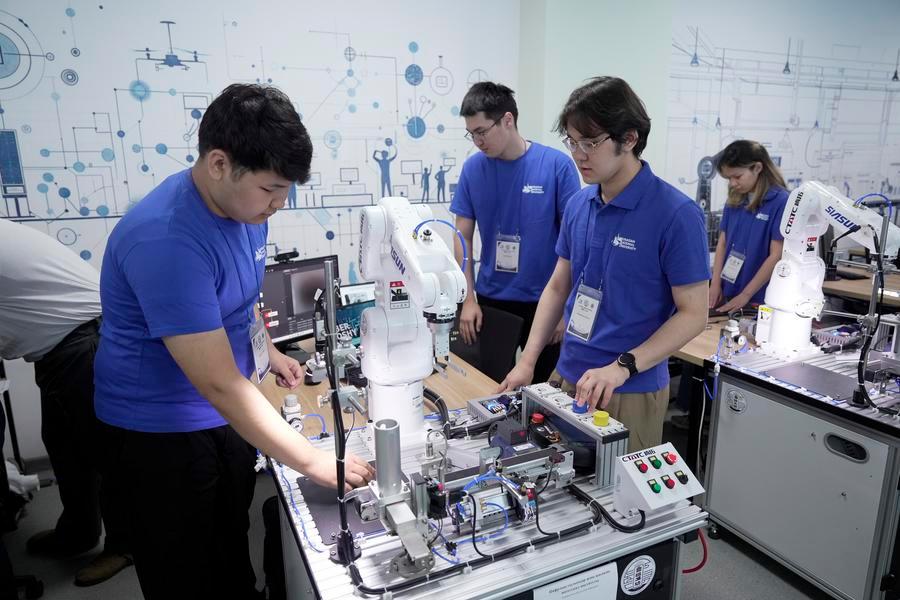
That vision plays out both at home and abroad. Through platforms like WAIC, open-source initiatives, joint research, talent exchanges and capacity-building programs, China has sought to expand access to AI technologies and help other countries, notably developing economies, build up their own capacity to innovate.
By Xinhua