
►►The mellow bitterness of Ethiopian coffee, the searing heat of a Rwandan chilli, the crisp acidity of a South African vintage, the honeyed sweetness of a Beninese pineapple — starting May 1, 2026, China’s abolition of tariffs on goods from 53 African nations is carrying these flavors, and countless others, onto Chinese tables.
NAIROBI- The mellow bitterness of Ethiopian coffee, the searing heat of a Rwandan chilli, the crisp acidity of a South African vintage, the honeyed sweetness of a Beninese pineapple — starting May 1, 2026, China’s abolition of tariffs on goods from 53 African nations is carrying these flavors, and countless others, onto Chinese tables.
Trade across thousands of miles has never been just about tonnage; it is where taste meets life.
BITTER: THE DAILY GRIND
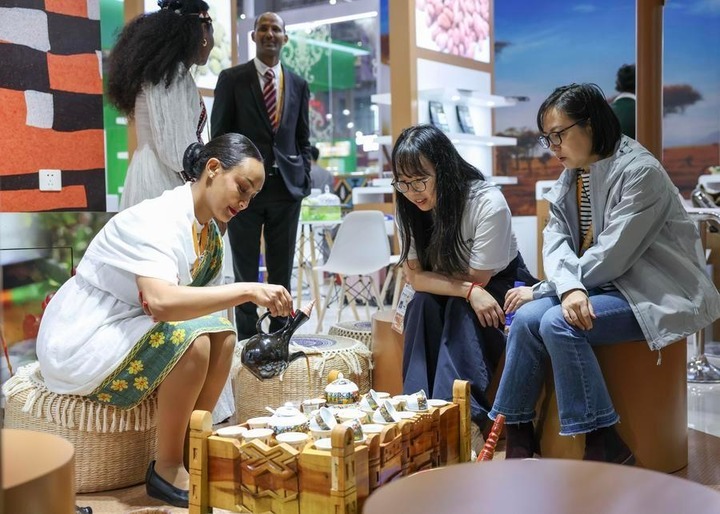
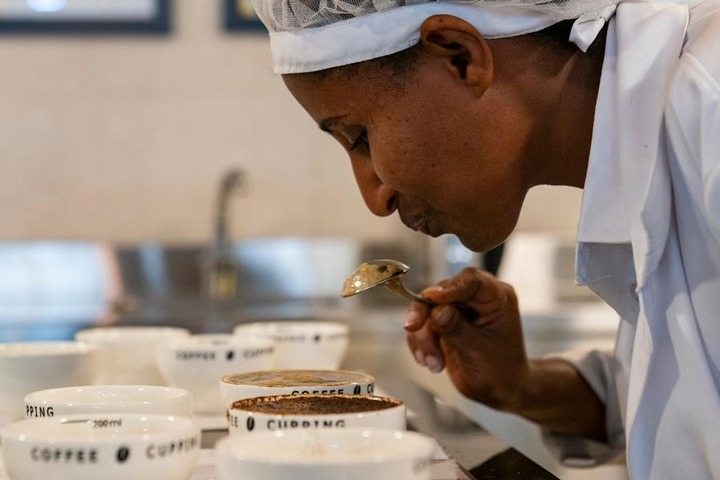
Ethiopia is the cradle of Arabica. Legend dictates that a millennium ago, a shepherd on the southwestern Kaffa plateau stumbled upon the energizing properties of the coffee shrub. The land has yielded the bean ever since.
Today, Ethiopia churns out 600,000 tonnes of coffee a year. For some 25 million people — roughly a fifth of the population — it is the bedrock of their livelihood and the country’s premier export.
Yet for farmers like Tesfaye Gabru, who came of age on these highlands, the economics of coffee have long been decidedly bitter. He has watched generations of growers lug meticulously tended beans down mountain trails, queue at local purchasing stations, and walk away with prices that bore little relation to the effort they had put in.
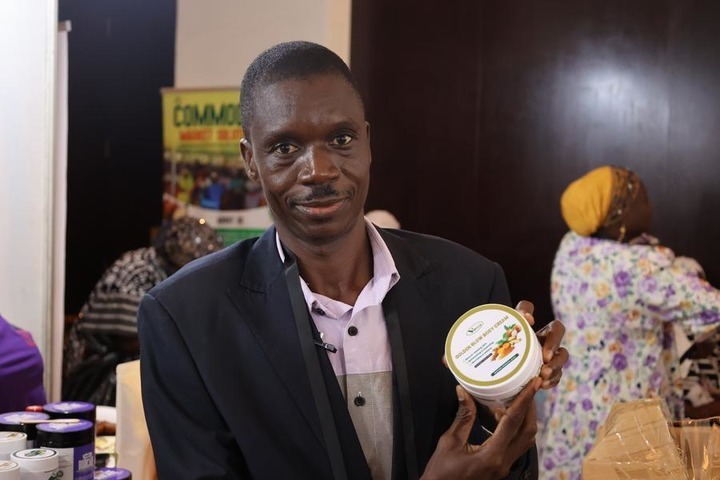
In 2021, he heard that Rwandan dried chillies had secured access to the Chinese market. He saw an opening: Rwandan dried chilli packs a punch four times hotter than standard varieties, and China has one of the world’s most devoted communities of spice lovers.
But chilli was a niche crop in Rwanda, and local farmers were skeptical. Uvizeyimana led from the front — going into the fields himself, learning from scratch how to select land, propagate seedlings, and dry the harvest. The first year was bruising. Uneven quality meant only a single container made it out the door. « It was a serious blow, » he said.
He did not give up. He taught farmers the basics of cultivation and pest control, went door to door to collect fresh chillies, and stood over the drying and processing at the factory to keep quality consistent. Trust, slowly, was earned. In the second year, exports jumped to 10 containers. « Our confidence was built up little by little. »
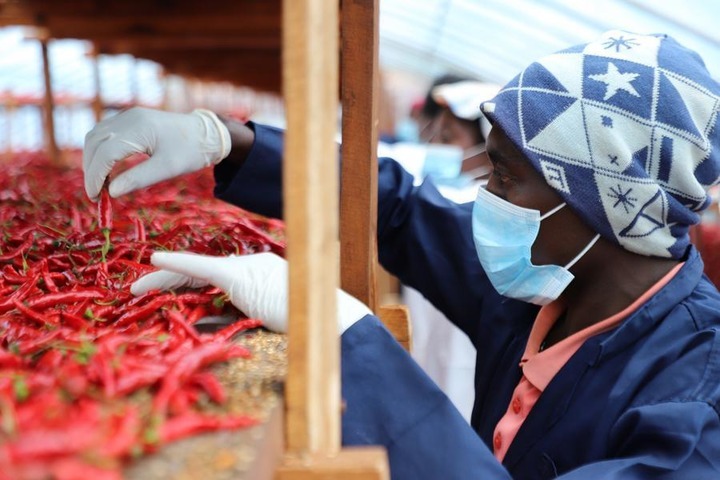
Today, Uvizeyimana’s Fischer Global ships 200 to 300 tonnes of dried chilli to China each year, with planted area now at 300 hectares. What his years in China gave him was more than knowledge and technique — it was the courage to spot an opportunity and the will to bring others along for the journey. Spicy is not merely a sensation; it is the drive to set out, and to lead the way.
ACIDITY: THE VINTAGE ADVANTAGE
The harvest may have concluded, but the bottling lines at Diemersdal Wine Estate in Cape Town hum relentlessly. Much of this liquid cargo is bound for China.
« South Africa’s viticultural roots date back to 1659, making us the oldest of the New World producing regions, » said Steffi Layer, the estate’s international sales manager, with evident pride.
Cultivated on ancient granite soils under a Mediterranean sky, South African wines are celebrated for their bold yet refined character — warming fruitiness wrapped in minerality, with a bright and unapologetic acidity. It is precisely this « tartness, » shaped over centuries by soil and sun, that gives the Cape’s vintages their distinct voice in a crowded global cellar.
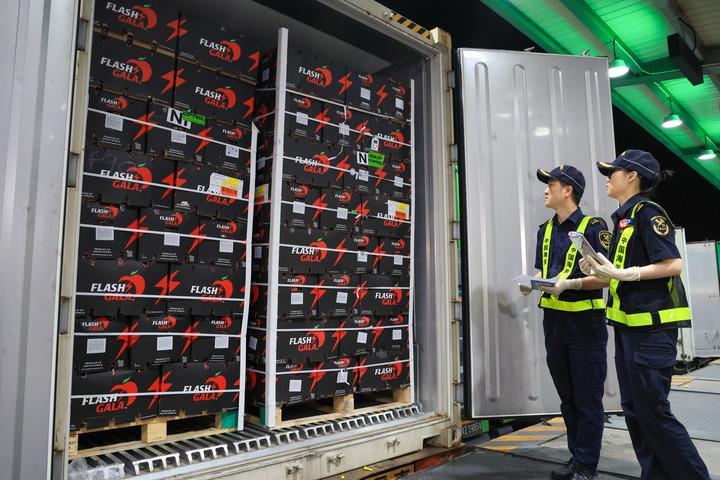
Despite a 17-year presence in the Chinese market and a growing appetite for wine among China’s middle class, South African labels have struggled to close the gap with their European rivals. Tariffs and steep shipping costs have been a persistent drag.
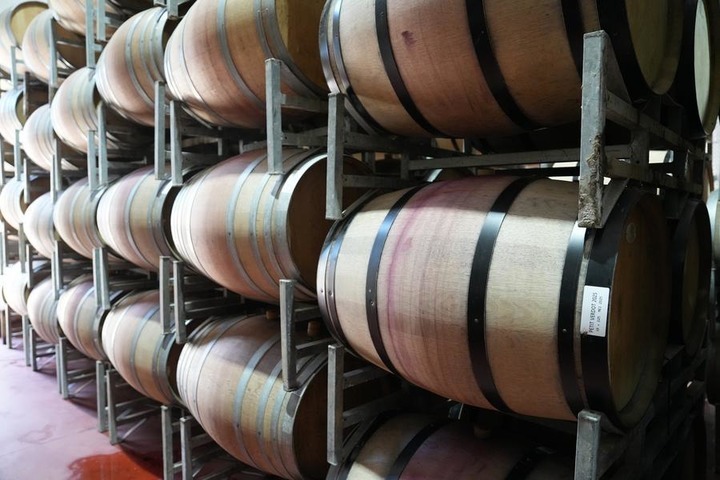
Layer sees the zero-tariff policy as a turning point. Remove the levies, she argues, and the gains will ripple across the entire supply chain — shippers, importers, and vineyards alike. « I’m confident South African wine will find a much warmer welcome on Chinese shelves. »
SWEET: FRUITS OF THEIR LABOR
In Benin, the pineapple of choice is the « Sugarloaf » — celebrated across Africa for its intense sweetness and negligible acidity. This unassuming fruit is an economic pillar for the West African nation, with annual production of around 450,000 tonnes generating 1.2 percent of GDP and sustaining tens of thousands of farming families.
Paradoxically, growers like Tchegbenangnon Lanmandoclevo once dreaded a bumper crop. Abundance brought not joy but anguish: mountains of pineapples rotting in local markets too small to absorb the glut. « Without the Chinese export market, it would be impossible to sell this volume, » he said.
Beninese pineapples clinched Chinese market access in 2023, stealing the show at the China International Import Expo and securing tens of millions of dollars in orders. Today, the 55-year-old Lanmandoclevo has tripled his plantation to nearly three hectares.
The zero-tariff policy promises to sweeten the deal further. At a recent export launch ceremony in the agricultural hub of Allada, Gaston Dossouhoui, Benin’s minister of agriculture, hailed the policy as a catalyst for rural modernization, job creation, and improved livelihoods.
The sweetness on a diner’s tongue is a farmer’s livelihood. Every Sugarloaf carries, within it, a family’s rekindled hope.
Taste, it turns out, is the one language that needs no translation. An old African philosophy holds: « I am because we are. » As China’s vast consumer market becomes a vast opportunity for Africa, the continent’s flavors — finding their way into Chinese cups and onto Chinese plates — are the most everyday and honest proof of a shared destiny across mountains and seas.
By Xinhua