
►►At a moment when diplomacy remained on the table, Washington chose to set it ablaze.
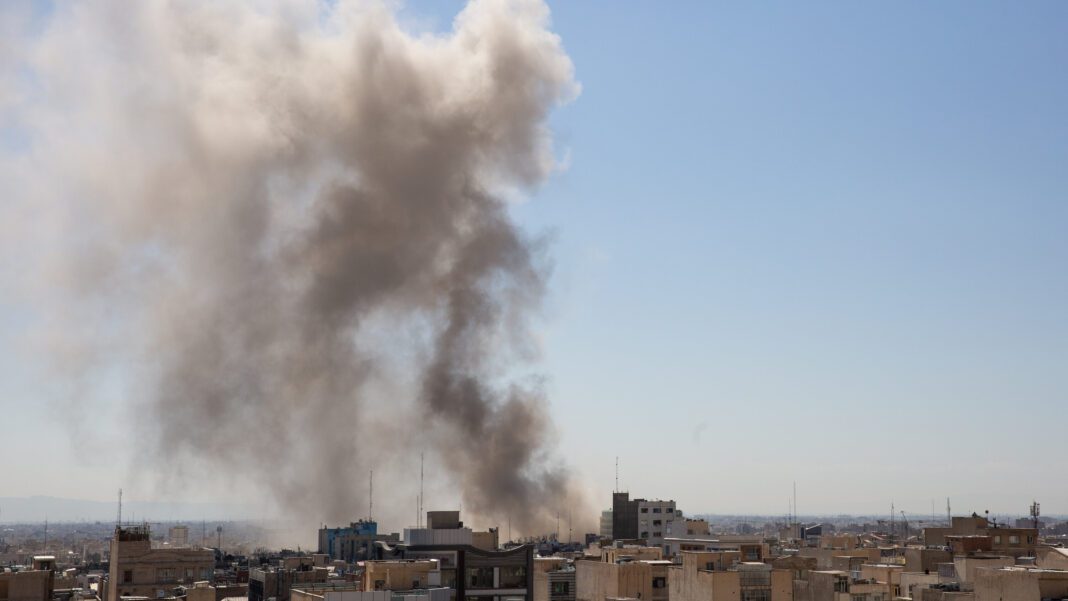
BEIJING- As the United States and Iran were still engaged in nuclear negotiations, Washington, alongside Israel, launched joint military strikes targeting Iran’s military and political figures and infrastructure, killing Supreme Leader Ayatollah Ali Khamenei and dozens of senior officials.
A day later, the U.S. administration declared that Iran’s new political leadership had agreed to talks. « They should have done it sooner, » it said. « They should have given what was very practical and easy to do sooner. They waited too long. »
The logic is as stark as it is disturbing: accept U.S. terms, or face annihilation.
If Iran was already engaged in talks with Washington, what justified the rush to bombs over patience? This episode bears the unmistakable hallmark of Washington’s long-standing « maximum pressure » strategy — a tactic that replaces consensus-building with coercion, using force not as a last resort, but as a primary instrument of leverage.
Under this approach, negotiations are not genuine efforts to bridge differences; they are ultimatums for war wrapped in diplomatic language.
The decision to strike while talks were underway conveys a disturbing precedent: diplomacy is not a forum for sovereign equals, but an instrument subject to the whims of the dominant power.
Such a mindset strikes at the heart of the international order. The post-World War II system was built on the premise that disputes should be resolved through dialogue, not force. When a major power normalizes the use of force during ongoing negotiations, it erodes trust — not only between the parties involved, but within the global system as a whole. If compliance is enforced by airstrikes rather than consensus, negotiation becomes not a path to peace, but a trap for the weak.
The implications of this precedent are profound. If force is viewed as a valid extension of leverage, then diplomacy itself becomes a hostage to power. The post-war system Washington purports to defend will not survive if its principles are applied only when convenient.
For the international community, the deepest wound is not just the blood spilled or the fires lit, but the corrosion of norms. Once compliance is imposed rather than negotiated, diplomacy ceases to exist, leaving only domination in its place.
Should Washington persist in confusing peace with compliance and diplomacy with coercion, it is courting disaster: further inflaming the Middle East while simultaneously dismantling the global architecture it once championed.
By Xinhua